I did some reading and net research into the development of still life as a genre.
The research took me to Egyptian times with tomb decoration – where objects to go to the afterlife with the deceased were represented. Then, to Roman times – with decorative pieces on the interiors of homes and buildings.
I then learnt a little about the rise of popularity of still life in the Netherlands.
16th and 17th century still life painting was used to depict religious symbols, as the thinking of the religion of the time did not promote direct representation of religious figures . Many of the objects in the pieces had a message or meaning relating to religion, e.g. butterflies, different types of flowers. The pieces could also give moral instruction. Skulls, time-pieces, spoiled fruit and flowers, were used to show the human condition of aging and how temporary life in this world is.
As urban life developed in the Netherlands, so did the still life genre. Art patronage moved towards the middle classes and away from the church and state. Still life began to represent abundance, exotic objects and decoration. Still life then began to appear as decoration on to fabrics, wallpapers and ceramics.
19th century France placed still life on the bottom of the ‘hierarchy of genres’. There was a move from realistic and symbolic towards mood, tone and romance. Still life began to lose the dark backgrounds. Colour and brightness became more important. Still life was then a vehicle for artist experimentation.
The 20th century bought revolution, war and change. Still life became more abstract and more experimental in subject, perspective and use of space.
As the 20th Centrury progressed, along with consumerism and manufacturing, so did the every day subjects being used in still life.
As the 21 Century progresses these changes will continue – with new technologies and the global use of computers.
REFLECTION – I would like to research ‘still life’ from other parts of the world through history. Western art is well documented. I’m sure global art is too – but I need to find out more.

Pierre Claesz 1623 Still Life with Musical Instruments

A Vase of Flowers Margaret Haverman 1716

Cassatt,Mary Lilacs in a Window 1880
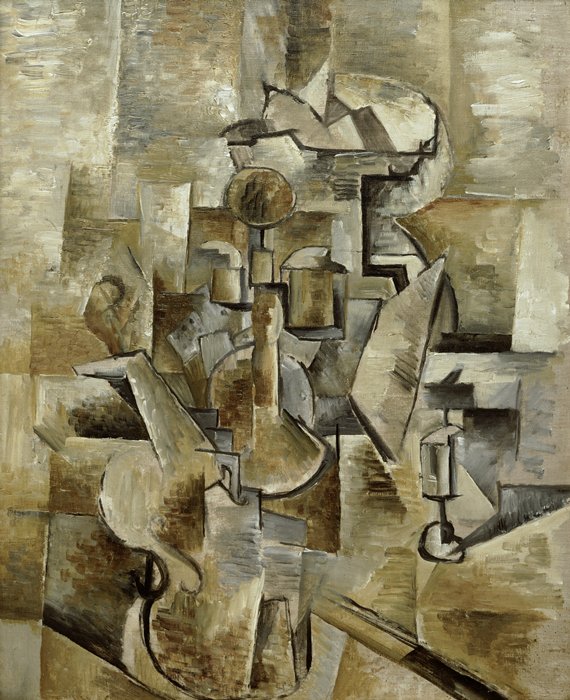
Violin and Candlestick, Braque 1910
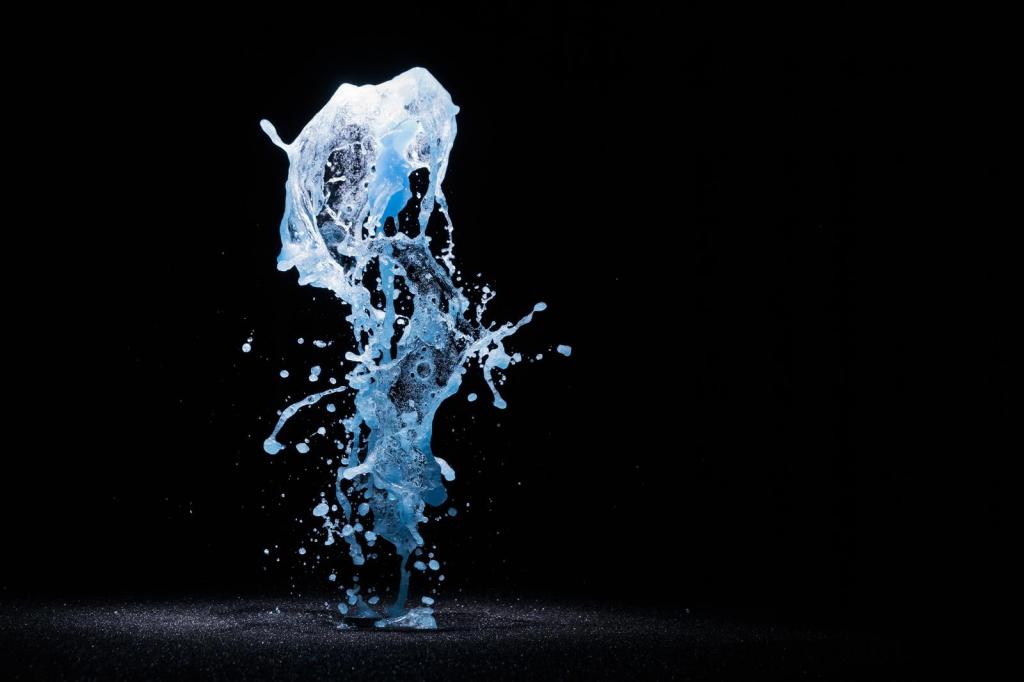
big bang fountain 2014 OLAFUR ELIASSON httpsolafureliasson.net
 Sue's Blog