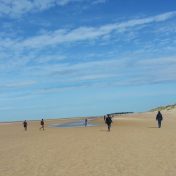
Below are a selection of work from 5 artists from the part 600 years. I can see many similarities in these pieces, as all are representations of what the artists saw of the world around them. Its the interpretation of that world that seems to differ between the eras. In the earlier pieces of Durer and Lorrain, the artist is very much looking on at the scene, outside of it and is just trying to represent what is seen as true. These works see the human element as coexisting with the natural element and are not the most important element. In the later works of Lowry and Shaw this view has shifted to how human interaction works with the landscape. The artist is much less removed from the scene, has an emotional connection and a very human story to tell. Man has affected his environment to make landscapes a story of the human condition. Of course, this is just my interpretation. Perhaps the earlier artists were also telling a human story – but I just don’t understand the language they are using (symbols, composition etc).
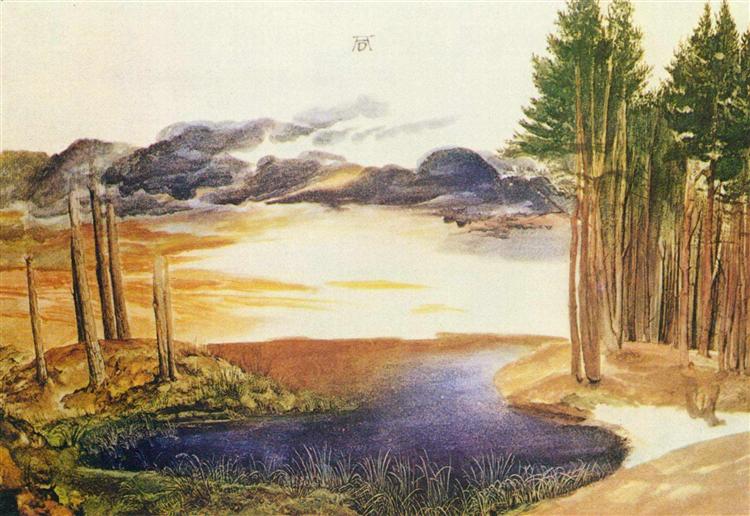
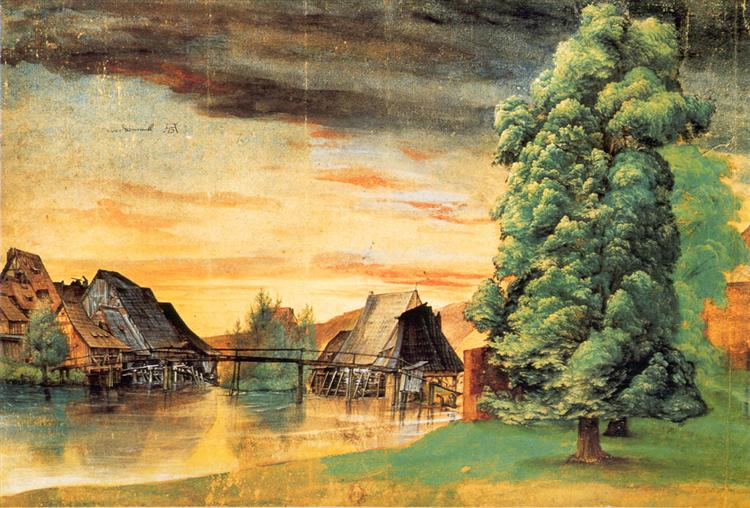
Above , left to right Durer, pond in the wood 1496 Durer, willow mill, 1498
I think Durer’s work may have possibly been ahead of its time in European art and seems to have similarities with much later pieces (19th century?). The landscapes are quite poetical, sensitive, relaxed and romantic in in character. The colours are bold and bright. Not like the darker still life paintings from the same era that I looked at in the previous project.
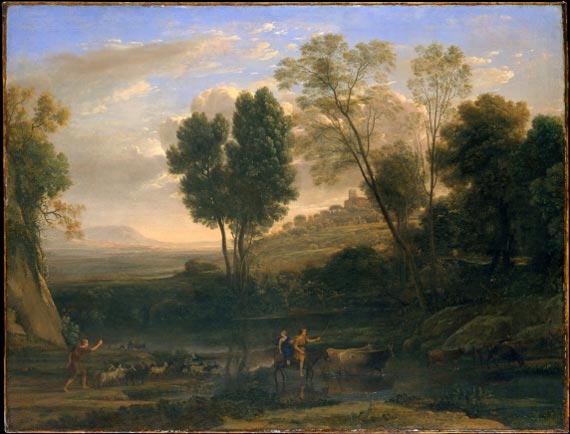
Claude Lorrain SUNRISE 1646/47
Lorrain’s landscapes are very often described as ‘classical’. I understand that this means he was following a certain style, thought of as idealistic in its time. Idealistic in rules of perspective and proportion. Artists of the time looked back to ancient Rome and Greece for inspiration and direction.
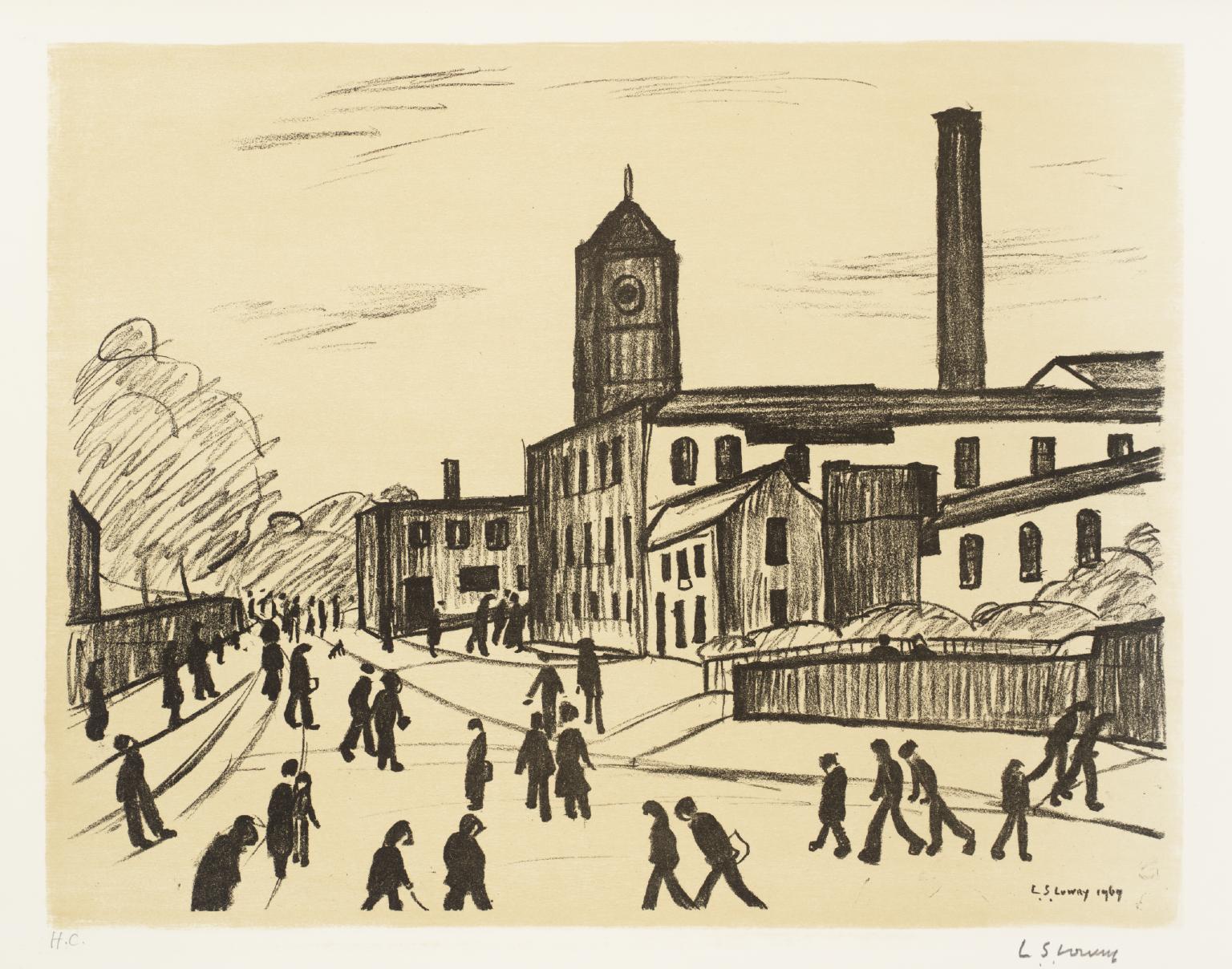
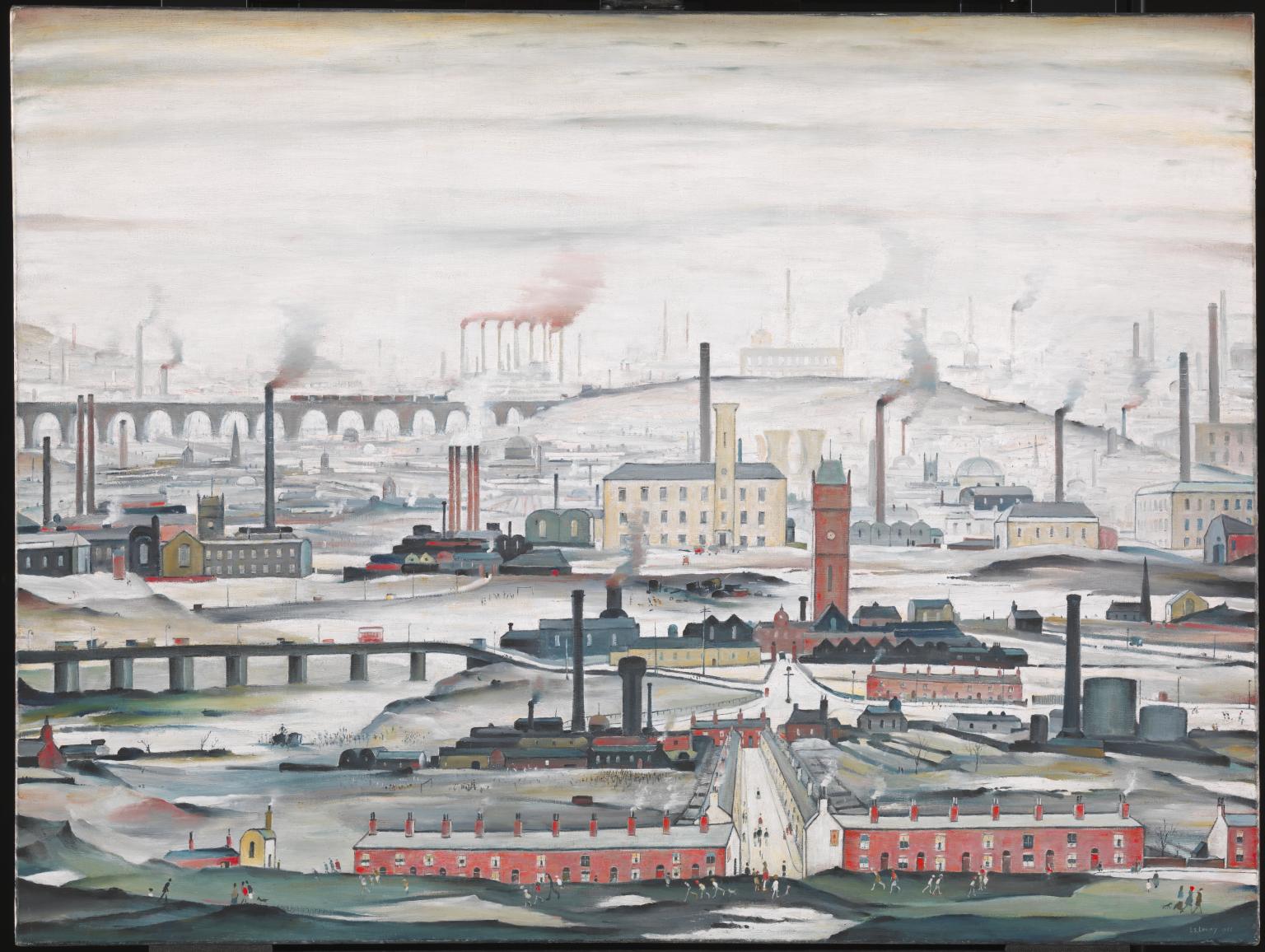
Above, left to right, L S Lowry A NORTHERN TOWN 1969 L S Lowry INDUSTRIAL LANDSCAPE 1955
Lowry’s landscapes are set in an urban world. Not concerned with natural beauty. More concerned with the realities of people’s modern lives and industry. He draws people, factories, buildings. How the people relate to this environment is shown – they trudge around with purpose, heads down, busy going somewhere. The factories show the human interaction with the natural world -by obliterating it in a view of smoky air and dirty ground.

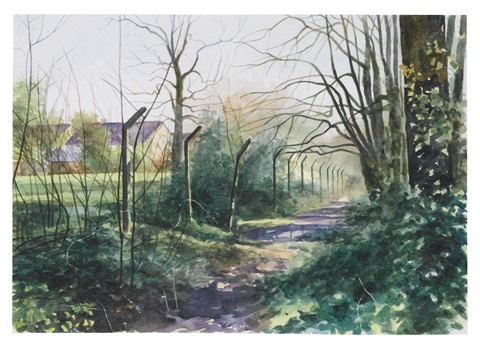
Above, From left to right
George Shaw, Scenes from the Passion Ten Shilling Wood 2002, George Shaw untitled2 2004
George Shaw composes images as artists have done for hundreds of years before him, looking at proportion, perspective and realism. However, his subject matter is very modern and urban. He doesn’t chose to depict people but does depict their urban homes in an honest way. The homes are not particularly beautiful, but are a realistic experience for many people of today. Hence his images are very relevant to modern people of the UK and are important for this reason – they reflect society back to the viewer.

Sarah Woodfine Castle, 2005 drawing in snow globe
Sarah Woodfine looks at new innovative approaches to landscape drawing. Taking it out of a flat plan and putting it within other interesting objects – a story within a story. This gives the drawing multiple functions – as part of a bigger decoration and a depiction of a view.
 Sue's Blog