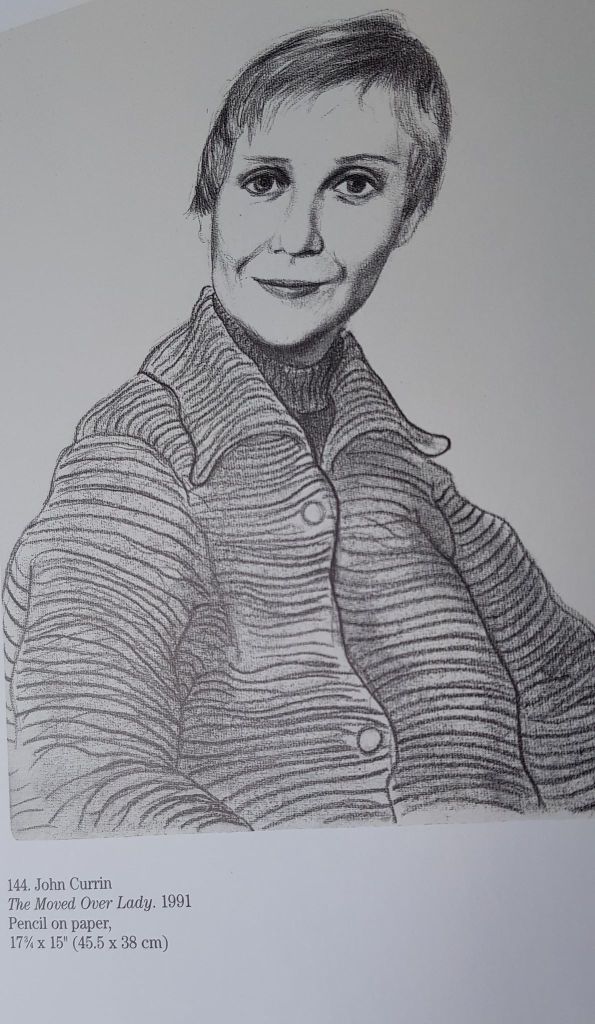
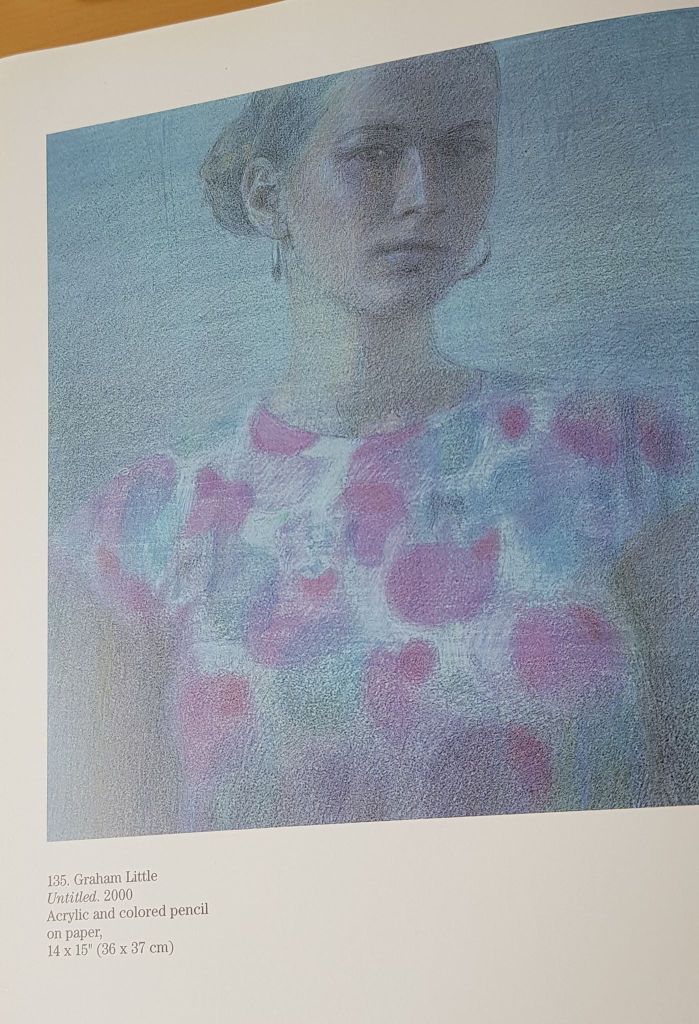
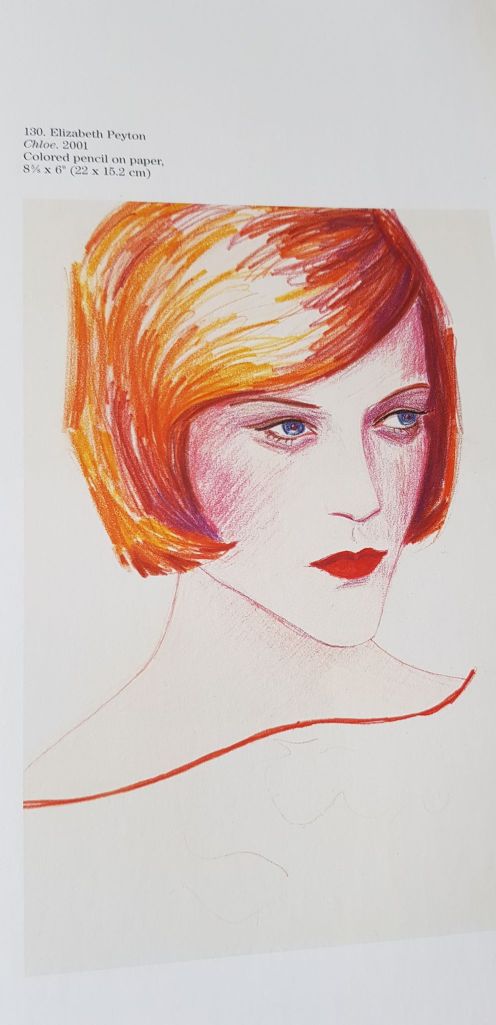
Above, left to right: John Currin, The Moved Over Lady, 1991 (pencil); Graham Little, Untitled, 2000 (Acrylic and coloured pencil); Elizabeth Peyton, Chloe, 2001 (coloured pencil)
I lIke the simplicity and colour of Elizabeth Peyton’s image above.
https://www.theguardian.com/artanddesign/2010/nov/26/artist-week-graham-little
The National Portrait Gallery, link below, is whole institution dedicated to this art form.
Portraiture is a very old art form and developed out of a need to represent and save people’s images for history, before photography was invented. Portraits are the only resource we have to get an idea of what historical figures actually looked like.
Before photography, people who could afford to pay an artist, would have their imaged created to promote the sitter’s virtues. For this reason, portrait artists used to lean towards flattering their client, to keep their commissions. So the older works we see may be on the kind side
Photography (in part) changed the direction of drawn and painted portraits. Portraiture was no longer the only means to record people’s likeness. Photography also became available cheaply to all.
This allowed artists to develop portraiture in new directions. Portraits of ordinary people, interesting people, friends and family. Portraits could be more realistic. They could also try and convey more thoughts and feelings about the sitter, the artist and the reason behind the desire to reproduce the person.
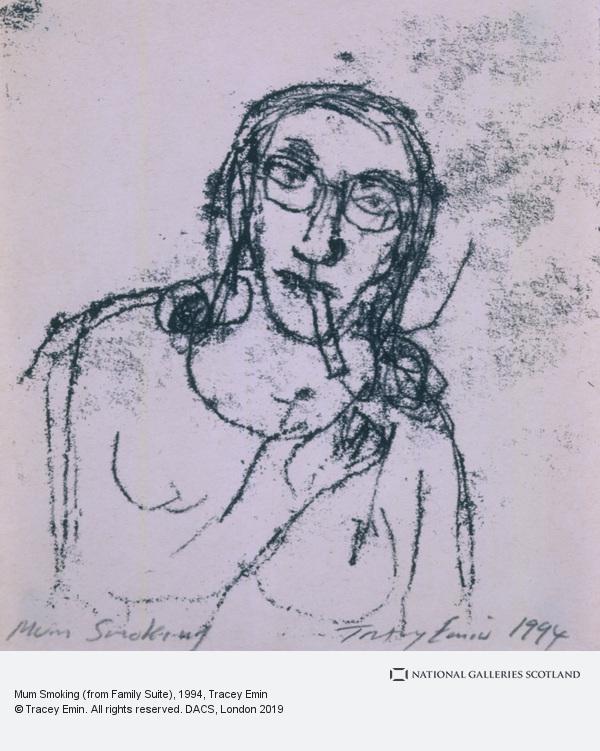
There are as many styles of portraiture as there are artists. I have included some examples of very different styles. These different ways of working can help my own attempts, as I can see that no particular style is right or wrong. All the examples convey the sitter effectively.
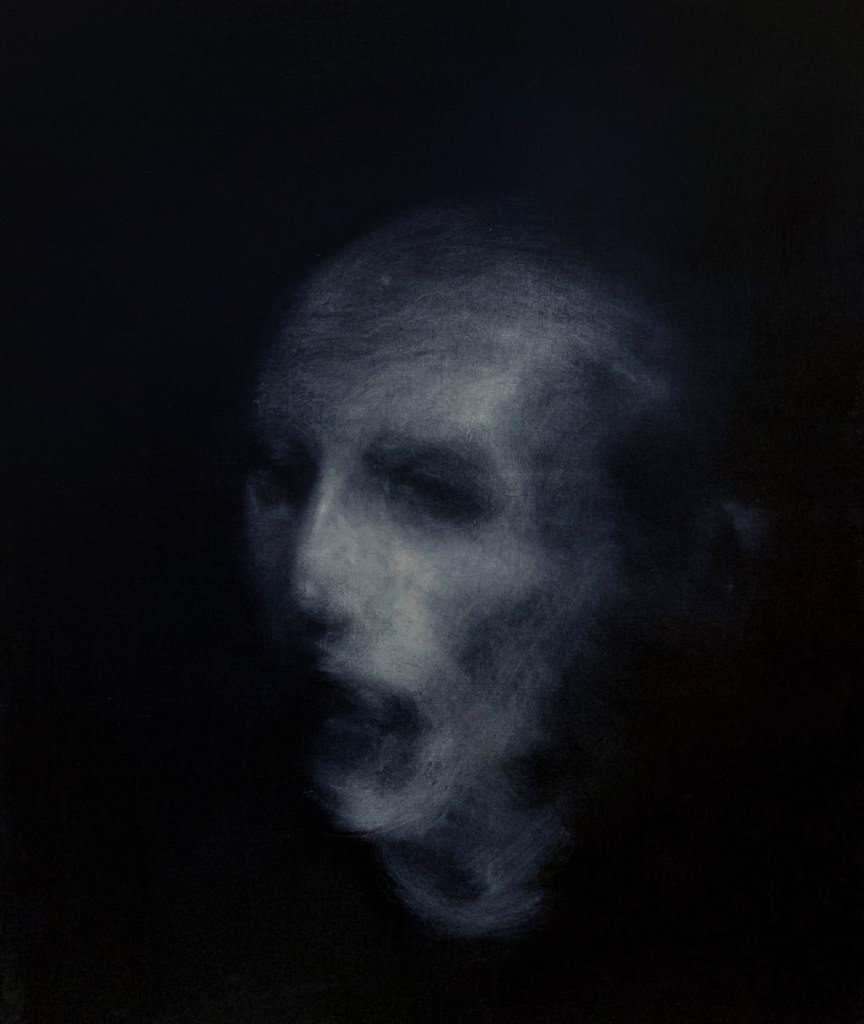
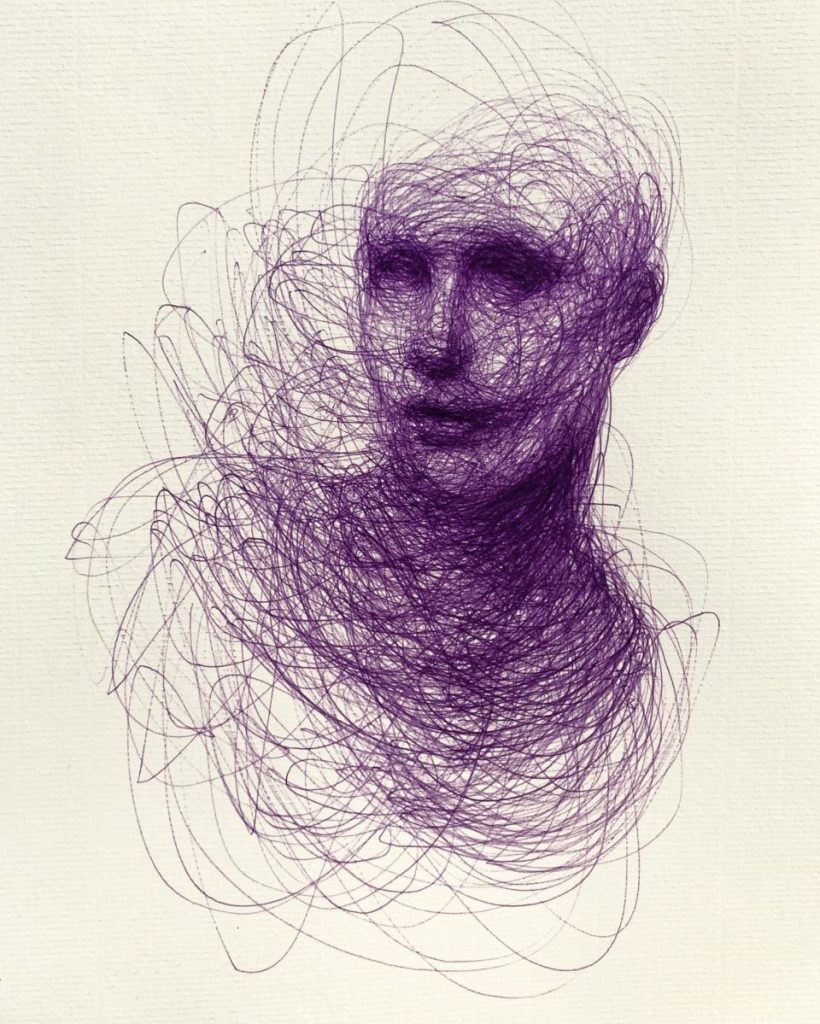
Above: Artist is Adam Riches http://adamrichesartist.com/
 Sue's Blog